




28th Jan 2026
A high-quality tarpaulin sheet is a valuable investment, whether you’re using it to protect garden furniture, cover a boat, shield building materials or farming. The last thing anyone wants is to reach for their tarp when it’s needed most, only to find it’s started to smell, has cracked, is covered in mould or has been chewed through by rats.
With the right care and storage, your tarp can last for years and will remain as reliable as the day you bought it. However, poor storage can lead to avoidable damage that shortens its lifespan and reduces performance.
So how do you keep your plastic sheet clean, protected, and ready for use whenever you need it? Just four simple steps.
1. Clean your tarpaulin sheet after use
One of the most important steps in tarp storage is cleaning it properly. Dirt, debris, bird droppings, chemicals and plant matter can all degrade the material over time if left untreated.
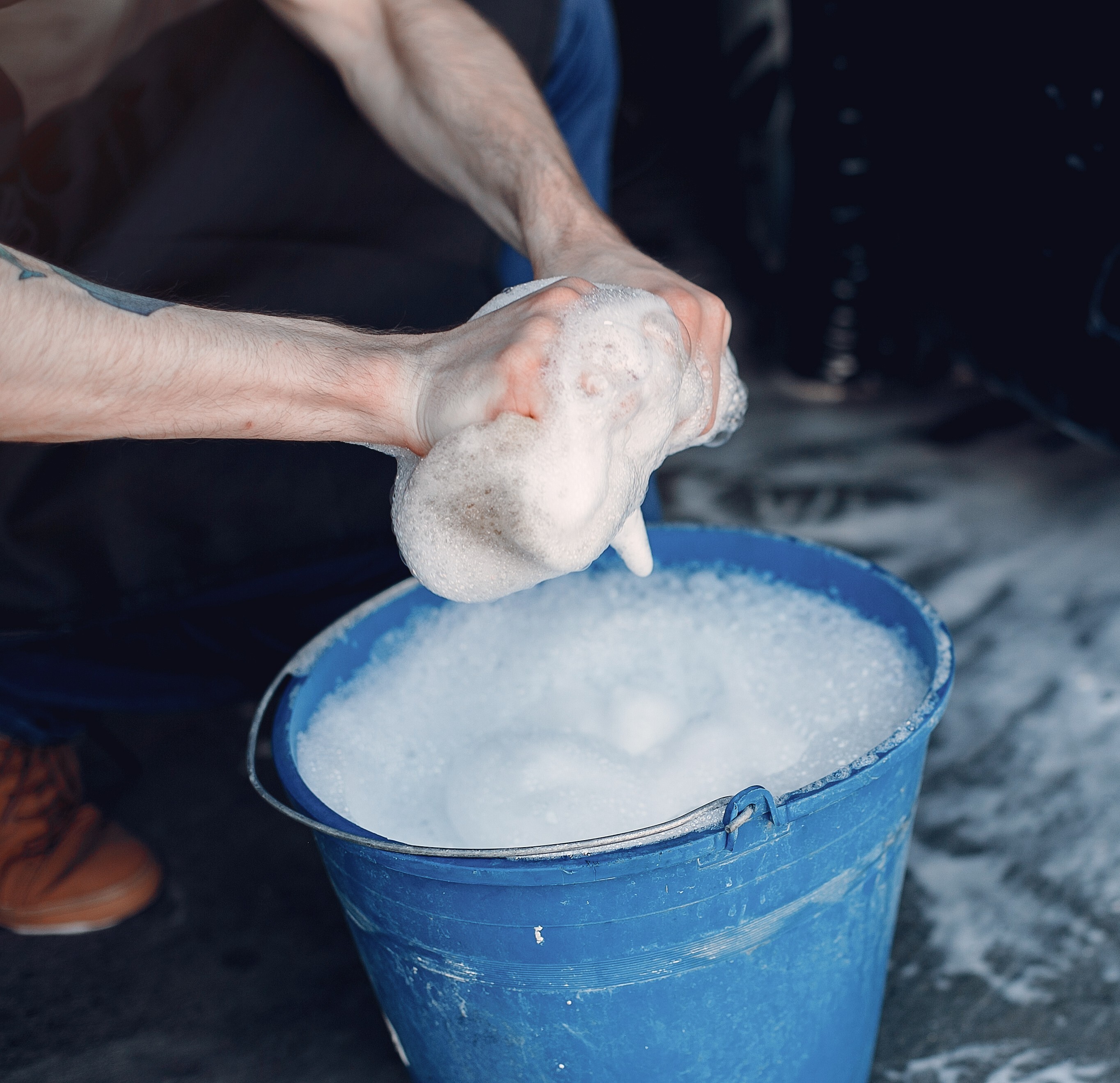
Start by shaking off loose dirt and removing excess water. You may want to use a tarp drainer if water pools have collected. Then, lay the tarpaulin sheet flat and wash it using warm water and a mild soap. A soft brush or sponge works well for stubborn marks. Avoid harsh chemicals or abrasive tools, as these can damage the waterproof coating of your plastic sheet.
Once cleaned, rinse thoroughly to remove all soap residue. Leftover detergent can weaken the tarp fabric over time.
This is also a good opportunity to give your tarp a good once over and check for any tears, worn eyelets or thinning areas.
2. Dry: do not miss this step
Never store a tarpaulin sheet while it is damp. This step can seem like a pain, especially with large tarps, but even a small amount of moisture can lead to mould, mildew and unpleasant odours, especially when stored in enclosed spaces.
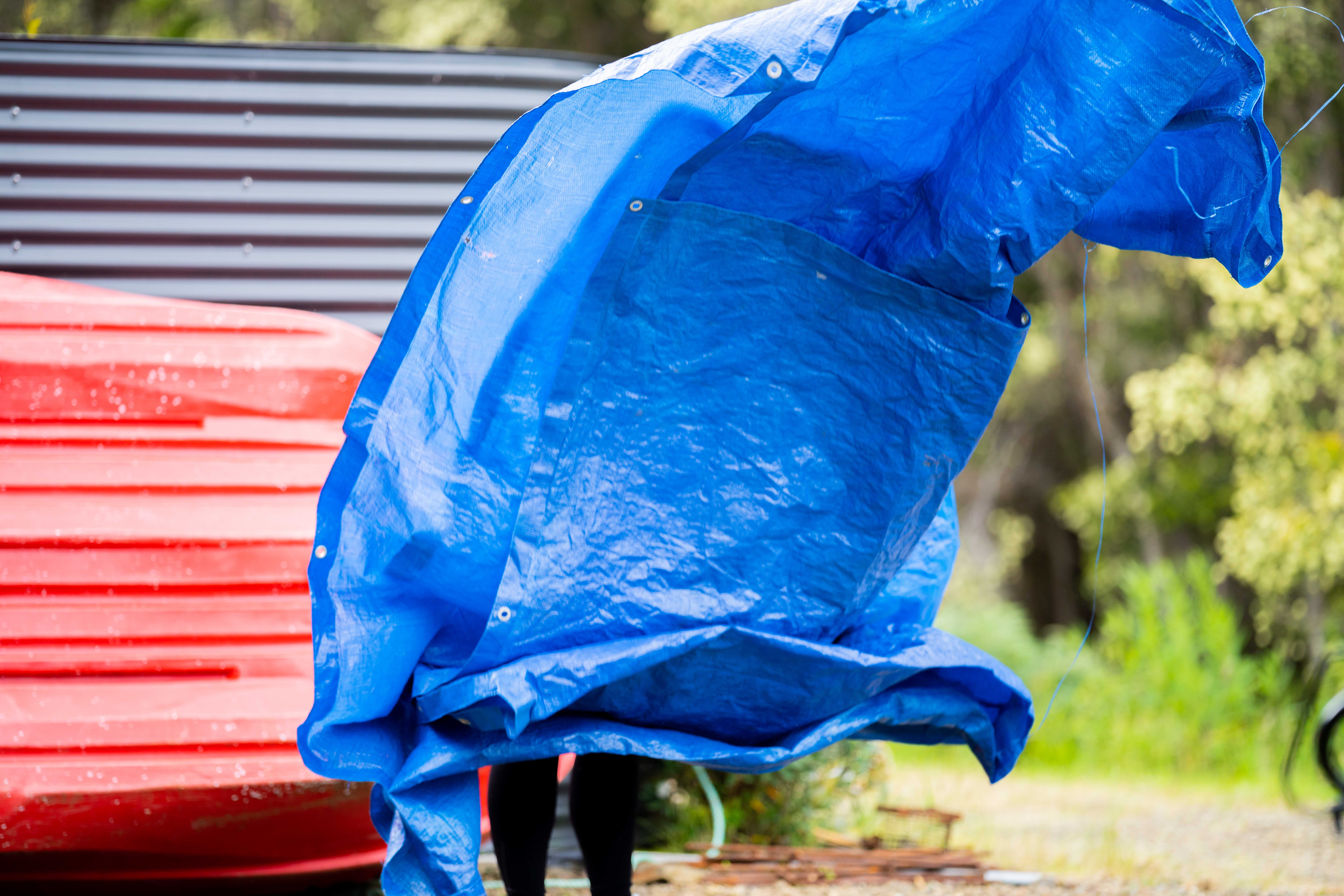
Hang your tarpaulin over a line, railing or fence, or lay it flat in a well-ventilated area until it is fully dry. Pay special attention to folds and seams, as water often collects in these areas. Taking the time to dry your plastic sheet properly will significantly reduce the risk of long-term damage.
If you need to make any repairs with patches or tape do it now prevent them from getting worse while in storage.
3. Fold or roll rather than scrunch
How you fold your tarp matters more than you might think. Scrunching or stuffing a tarpaulin sheet into a bag can cause deep creases, stress points and even cracks over time, particularly in colder conditions. Not to mention you spend all your time tripping up over them!
Instead, fold the tarp neatly into manageable sections.
- Spread the tarpaulin on flat ground
- Fold in halves or thirds until your sheet is a manageable size
- You may find it helpful have something to weigh down the corners as you work
- To roll, fold length ways then roll tightly from one end
- If securing with rope, keep it loose as to not create pressure points.
Try to avoid folding along the same lines every time, as repeated stress in the same spots can weaken the material. The less folds you have to put in it the better. Try to take note of how the tarpaulin is folded on arrival so you can replicate.
If your tarp is large or heavy-duty, you may need to find a friend (or three) to make the process easier.
Watch our handy video on to how to fold a tarpaulin here
4. Choose the right storage place
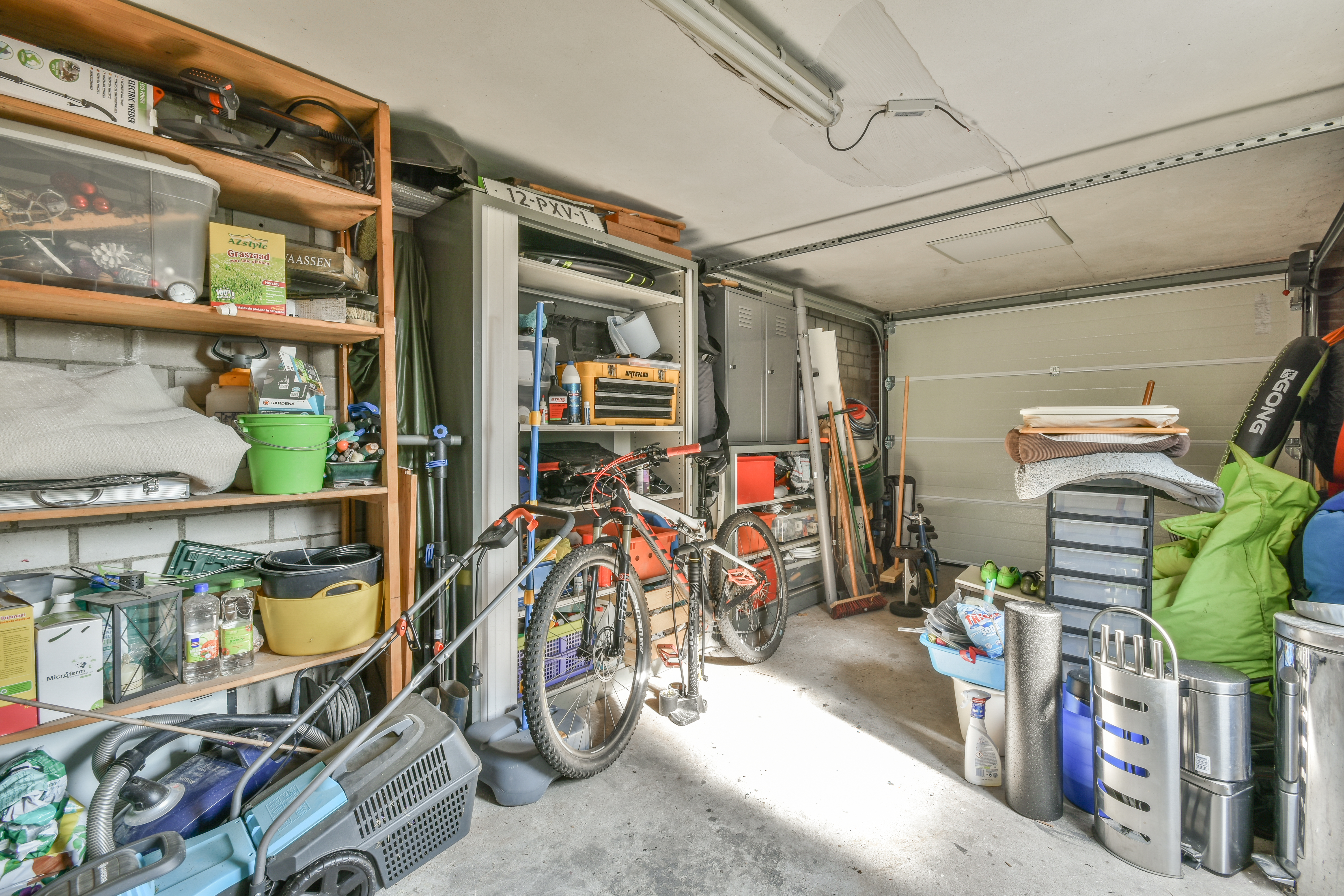
Where you store your tarpaulin sheet is just as important as how you store it. Choose a cool, dry and well-ventilated space such as a shed, garage or storage cupboard.
Avoid direct sunlight as prolonged UV exposure can degrade even UV-treated tarps over time. Extreme temperatures can also affect the flexibility and strength of plastic sheet materials so make sure your storage place isn’t too hot or too cold. Try to keep your tarp away from heaters, boilers or freezing conditions.
If you can store it in a dedicated bag or container all the better. If using a plastic storage box, triple check your tarpaulin is completely dry before sealing it in. If you notice the box clouding, it’s a sign of condensation, and you need to air and dry.
Pick a place that doesn’t have a lot of traffic to avoid accidental tearing and make sure not to stack anything on top of it as pressure can distort eyelets.
More of your tarpaulin sheet storage questions answered
Can I clean my tarp with bleach?
No. Harsh chemicals like bleach will damage the waterproof coating on your tarpaulin. A mild washing up liquid and water will be sufficient to clean your tarpaulin.
Can I store my tarpaulin sheet outside?
While heavy-duty tarpaulins are designed for outdoor use, storing your tarp inside when it’s not needed will significantly extend its lifespan. Continuous exposure to UV, wind and weather will shorten its life.
We don’t advise storing a tarp outside unless necessary. Weather, temperature changes and insects can weaken the sheet. Inside in a cool dry spot is optimal.
Can I roll my tarpaulin sheet?
Absolutely. This can often be more manageable for large heavy duty tarps.
How to stop my tarp from growing mould?
Make sure your tarpaulin is fully dry before storing. Keep it in a dry, well-ventilated spot.
How do I remove mould from a tarp?
Wash thoroughly with washing up liquid or a white vinegar solution which is a natural disinfectant. More abrasive cleaners may cause damage to the waterproof coating.
Why is my tarpaulin discolouring?
If you’re noticing your tarpaulin discolouring it may well be exposed to UV light. Move it to a shadier spot to prevent furth sun damage.
How often should I inspect my tarpaulin?
We recommend giving your tarpaulin a quick once over every 4-6 months. If you notice any unusual smells, check it immediately as it may be a sign of mould. If you know you have an upcoming date for using your tarpaulin such as a camping trip, it’s a good idea to bring it out a week before to check it over in case you have any repairs to make.
How long can a tarpaulin be stored?
A tarpaulin sheet can be stored for years if cleaned, dried and stored correctly. Proper storage plays a major role in how long your tarp will last overall.
How can I protect my tarp from rodents?
Rodents are attracted to plastic sheeting as insects can gather there and they make a wonderful nest. Store your tarp off the ground, if storing in a garden shed that could be accessed by rodent it’s best to seal in a box.
Store smarter, use longer
Proper storage is key to getting the most out of your tarpaulin sheet. By cleaning, drying, folding and storing your tarp correctly, you can significantly extend its lifespan and maintain its protective qualities.
At Tarpaulins Direct, we offer a wide range of durable tarps and plastic sheet solutions designed to stand up to tough conditions. With the right care and storage, your tarp will be ready whenever you need reliable protection season after season.
If you have any questions or queries on any of our products, don’t hesitate to get in touch – we’re always happy to help.