





29th Apr 2026
The UK has seen a surge in severe weather recently, with storms bringing damaging heavy rain, winds of up to 70–100mph and widespread disruption.
For homeowners, tradespeople and site managers, this highlights a simple but critical issue: a poorly secured tarpaulin sheet can quickly become a liability. Whether you're protecting equipment, providing shelter or shielding outdoor materials, a poorly secured tarpaulin sheet can lead to some costly damage.
In this guide, we’ll show you how to secure a tarpaulin properly, focusing on the right techniques and, crucially, the best accessories available from Tarpaulins Direct.
Why securing your tarp is essential
Using a tarpaulin isn’t just a case of throwing a plastic sheet over something and hoping for the best. It’s about creating a secure shelter that will keep the interior protected under pressure. High winds create uplift, like a sail, which can:
- Tear eyelets out of the sheet
- Snap weak fixings
- Cause flapping that damages both the tarp and what’s underneath
- Turn your sheet into a safety hazard
The solution isn’t just tying it tighter, it’s using the right technique and the right combination of accessories designed for flexibility, tension and durability.
Step 1: Select the right tools
The first step to securing a tarpaulin sheet properly is choosing the correct material and weight for the job. Not all tarps are designed to handle the same conditions, and using the wrong type can lead to premature wear or failure, especially during periods of high winds.
Light-weight budget tarps are best suited for short-term or indoor use where exposure is minimal, while medium options provide a balance of durability and flexibility for general outdoor tasks. For more demanding environments, such as construction sites, agricultural use, or long-term coverage, super-grade tarpaulins are essentials offering increased strength, reinforced eyelets, and better resistance to tearing.
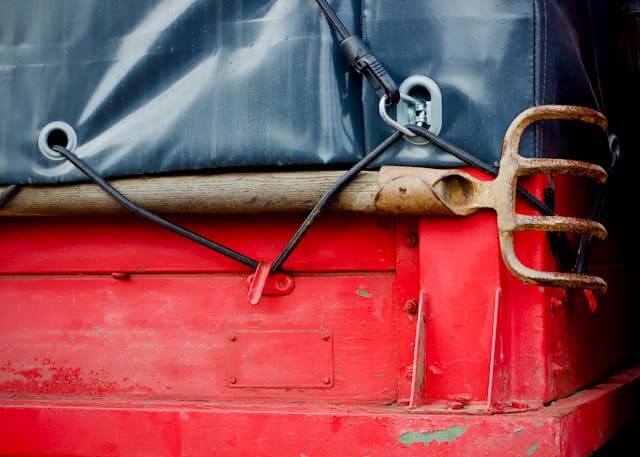
Whichever weight of tarp you choose, make sure you have plenty of tethers such as rope of all lengths, strap bungees, and hooks. The last thing you want is to leave a tarpaulin only half secured as this can cause flapping, tearing, property damage and even injury.
Do:
- Choose a tarp weight suited to your specific application
- Pair stronger tarps with high-quality accessories like a strap bungee for maximum performance
Don’t:
- Assume all tarpaulin sheets offer the same level of durability
- Start the job unless you have all the equipment
Step 2: Pick the right fixing points
Before securing your tarpaulin sheet, it’s essential to plan your anchor points properly, as this forms the foundation of a reliable and storm-resistant setup. Strong, well-positioned fixing points, such as sturdy fences, combined with even spacing help distribute tension across the tarp, reducing strain on individual eyelets and lowering the risk of failure in high winds. Try to find a spot with a natural windbreak such as a row of trees or behind a building.
Do:
- Use solid, fixed structures like fences, scaffolding or posts
- Secure the base with ground anchors, stakes or heavy weights where needed
- Space fixings evenly around the entire tarp
Don’t:
- Attach the tarp to sharp edges that can cause tearing or wear
- Rely on weak or unstable structures such as loose fixings or furniture
Step 3: Choose the right tether
One of the most common mistakes when securing a tarpaulin sheet is using rope alone. While rope with the right knot feels secure, it has no flexibility which means all wind force transfers directly to the tarp. The expert choice for tying down your tarp has to be a strap bungee. The elastic allows for slight movements, absorbing wind shock and reducing stress on eyelets. They’re also far faster to install, undo and adjust.
Do:
- Use a strap bungee or elastic ties to secure your tarpaulin sheet
- Allow for slight movement so wind pressure can be absorbed safely
- Opt for quick-adjust solutions that make tightening and repositioning easier
Don’t:
- Use rigid tie-downs that transfer all wind force directly to the tarp
- Overtighten ropes, increasing the risk of tearing under pressure
- Assume a tight knot equals a secure setup in high winds
Step 4: Secure every eyelet, not just the corners
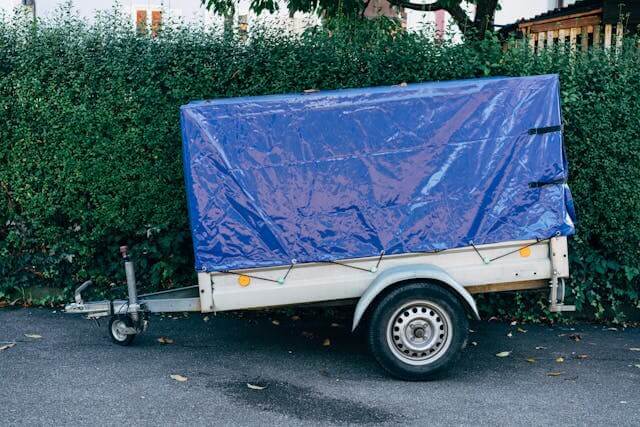
Another common mistake when tying down a tarpaulin sheet is focusing only on the corners. While it may seem sufficient, skipping the middle eyelets allows wind to get underneath the tarp, causing it to balloon and flap. This movement places excessive strain on the corner eyelets, often leading to stretching, tearing or complete detachment.
It may take a little longer, but a more effective approach is to secure the entire edge evenly, ensuring the load is distributed across all fixing points. Using fastener accessories like bungee balls or hooks makes it much easier to attach to every eyelet and maintain consistent tension across the tarp.
Do:
- Secure your tarpaulin sheet using fixings at every eyelet where possible
- Space fixings evenly around the entire tarp
- Use accessories like bungee balls to speed up the process
- Maintain balanced tension across the full surface
Don’t:
- Only tie down the corners and leave the middle unsupported
- Expect weather conditions to stay consistent
Step 5: Regularly check your tarpaulin sheet
Regular maintenance is just as important as correct installation. Even the best-secured tarpaulin sheet needs regular inspection, especially after periods of strong winds or heavy rain.
In the UK weather can change quickly, and what was secure one day may have loosened, shifted or worn down the next. Small issues like minor tears, stretched eyelets, or weakened fixings can quickly escalate into major problems if left unchecked, leading to full failure and unnecessary damage by storm conditions. By carrying out quick routine checks and addressing any wear early, you can significantly extend the life of your tarp and ensure it continues to perform when you need it most.
Do:
- Check your tarpaulin sheet regularly, especially after windy weather
- Inspect eyelets, edges and fixing points for signs of stress or tearing
- Tighten or readjust fixings if they have loosened
- Replace worn or damaged accessories like hooks or strap bungee ties
- Repair small tears early using appropriate repair kits or patches
Don’t:
- Ignore minor damage, as it can quickly worsen in bad weather
- Continue using stretched or weakened fixings
Secure your tarp today
A tarpaulin sheet, when secured correctly, is one of the most cost-effective and reliable ways to protect boats, materials, and outdoor spaces from the elements. The key is not just in covering an area, but in how well you prepare for changing conditions especially with the unpredictable weather the UK often experiences.
By choosing the right materials, using the proper accessories like a strap bungee, securing all fixing points, and carrying out regular checks, you can dramatically reduce the risk of failure and avoid unnecessary windy weather conditions. Follow these simple steps and you’ll ensure your tarpaulin remains secure, effective and ready to handle whatever the weather brings.
If you have any questions on how to tie your tarp or on any of our tarpaulin products, get in touch here. Or browse our whole range of tarp fastening accessories here.